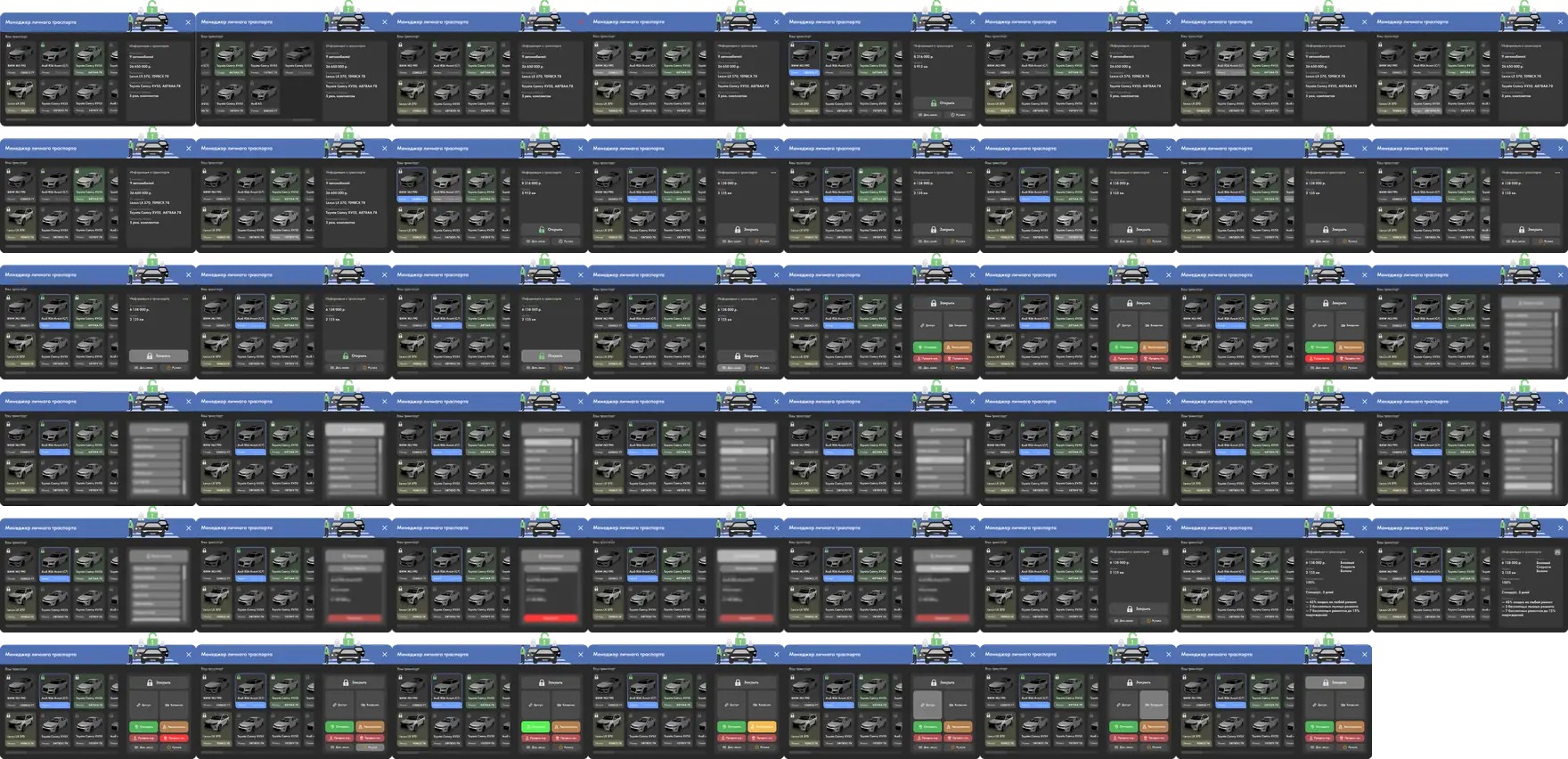
My own product · since 2024
Pora na paru
New version in development
A timetable for universities. I began with VCourse, tested the idea on real users and am building the product again from scratch.
Design, iOS, Android and web: me. Backend: my co-founder.
Mockup: websiteMockup: iPhoneOne service for a whole university
A university keeps its timetable in one place, and students and teachers see changes in every app at once.
Mockup: serviceNative on iOS and on Android
Not one layout for two platforms: each has its own gestures, widgets and system features.
Mockup: iPhoneMockup: AndroidPublishing without conflicts
The editor catches clashes before anything is published. Move a lesson yourself: the rule is real, the data is made up.
MonTueWedThuFriNo conflicts, ready to publish
It began with VCourse
The first version shipped on iOS, Android and the web and was tested by real users.
The exact number of users, dated, goes here
VCourse:App StoreGoogle PlayRuStore
Screen recording: VCourse
How I got here
From a menu for a game to a product of my own: nine chapters on how I became a design engineer.
Keep scrolling
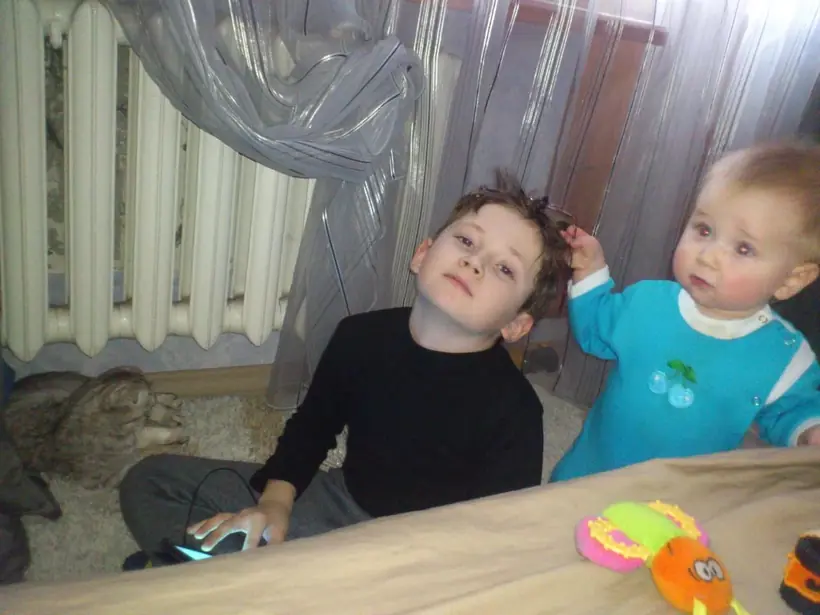
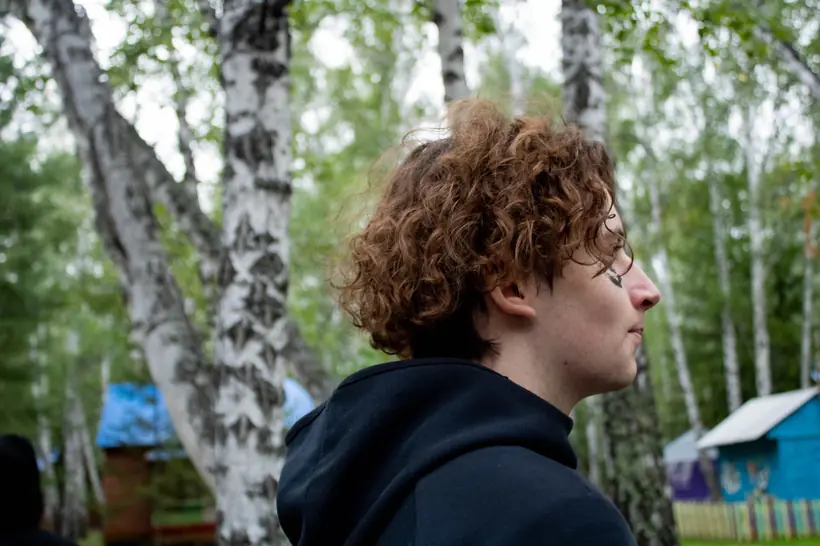
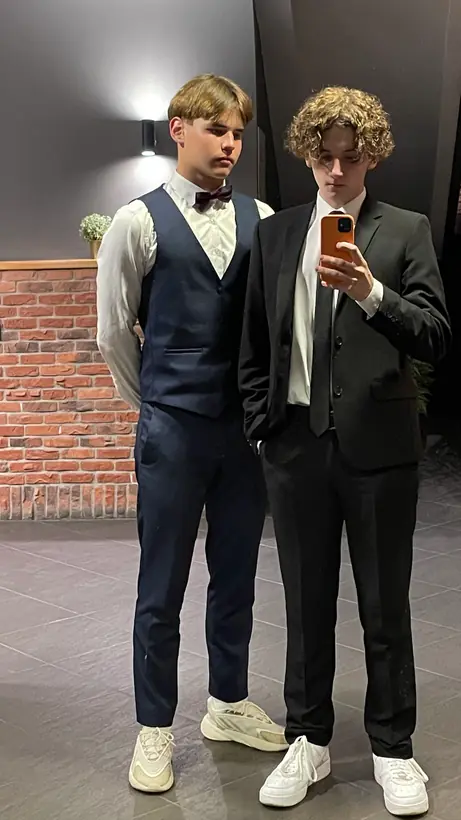
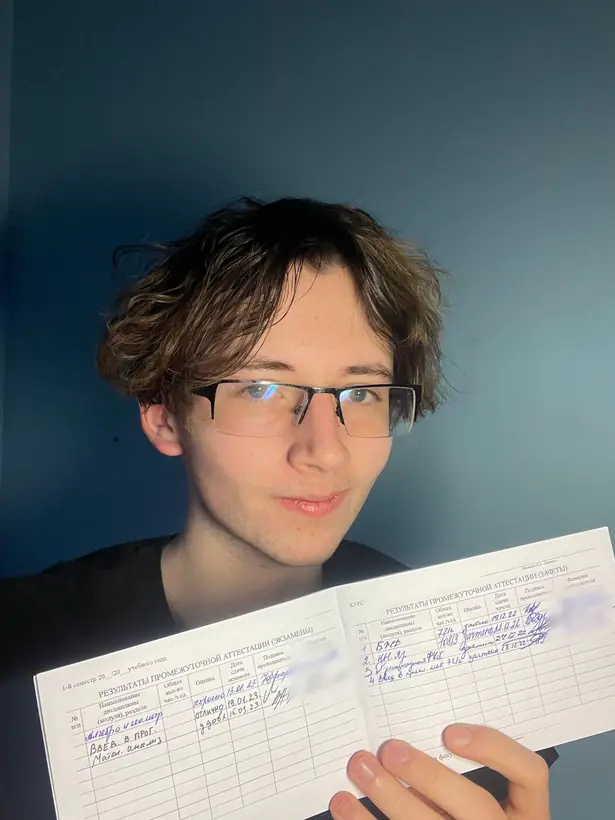
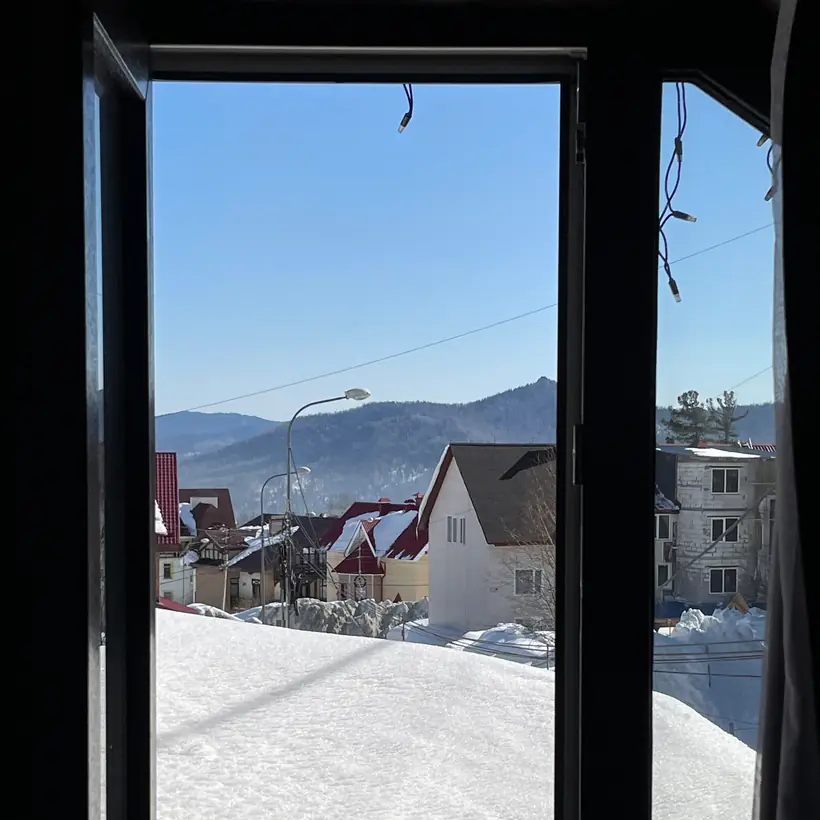
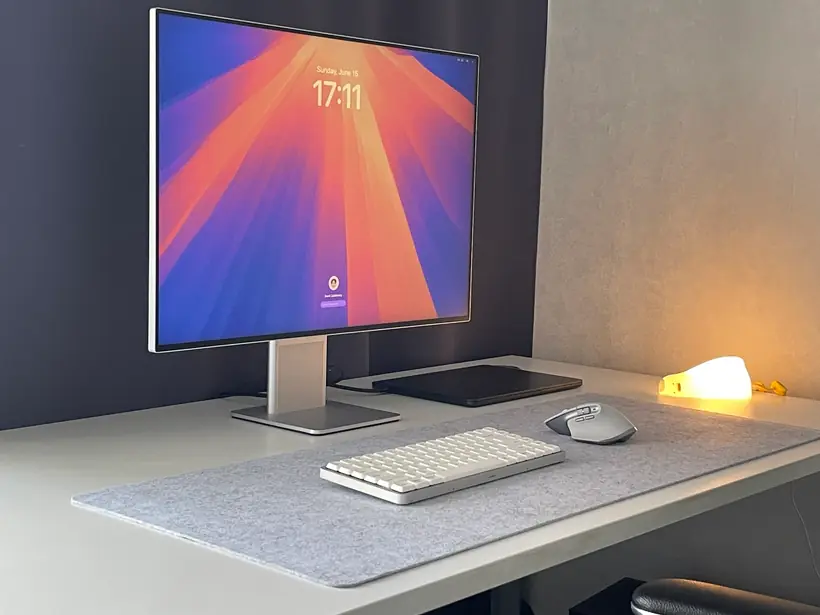
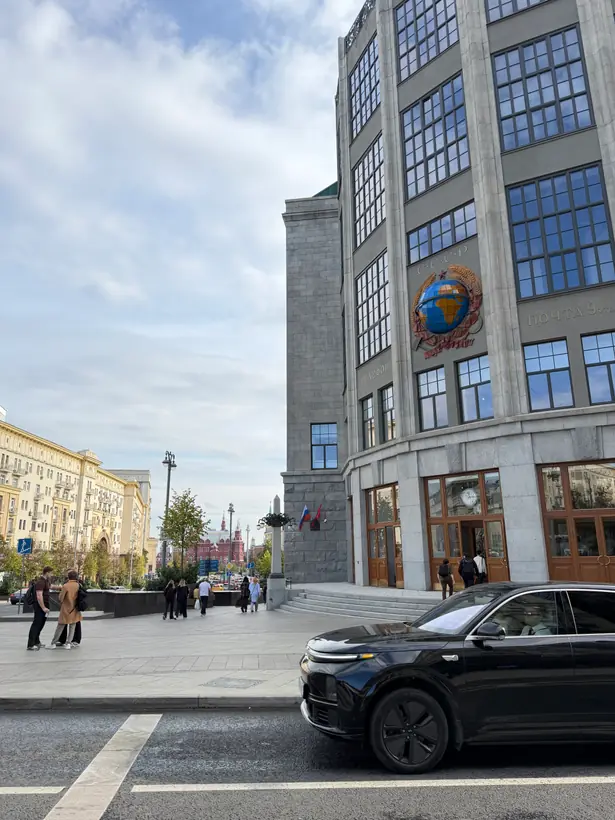
Omsk
It started with a menu for a game
A maths and physics class. We wrote websites in Notepad, in plain HTML, CSS and JS: they taught us the hard way. From the seventh grade I lived in Photoshop, then found Illustrator, and in the eleventh, Figma.
In it I built a menu for a game I played all the time and posted it in the game's groups. People asked how to install it. It reached the developers: they offered me work, then opened my file and stopped answering.
Over a hundred frames. Not one component.
I was furious at the time. Now I understand them.
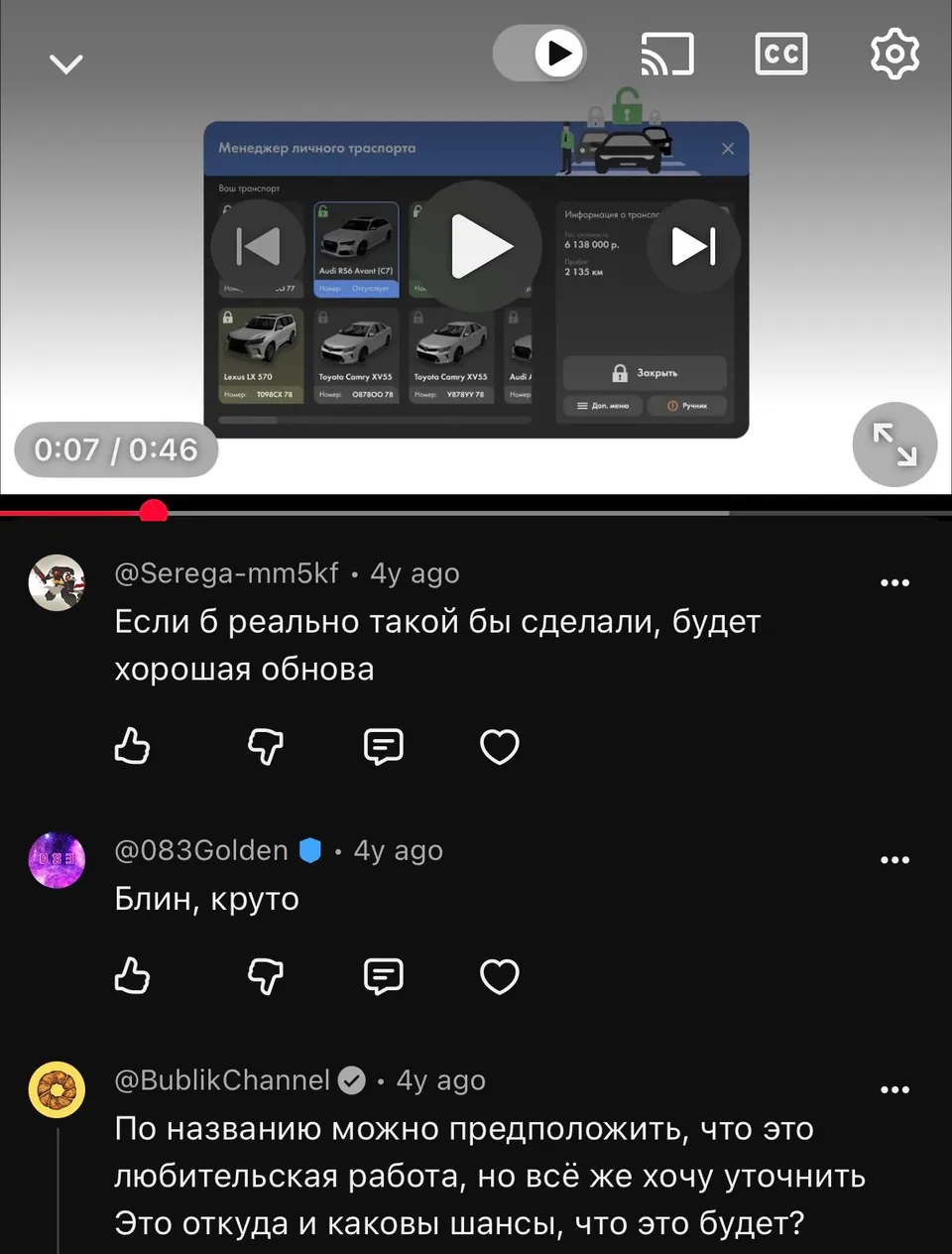
The menu's video on YouTube, with the comments under it 2022
Maths first
I wanted to study product design, but a teacher talked me out of it: get your maths up first. So I ended up at Omsk State University, in applied mathematics and computer science.
I always had top marks in programming, and in group projects I always ended up as the designer.
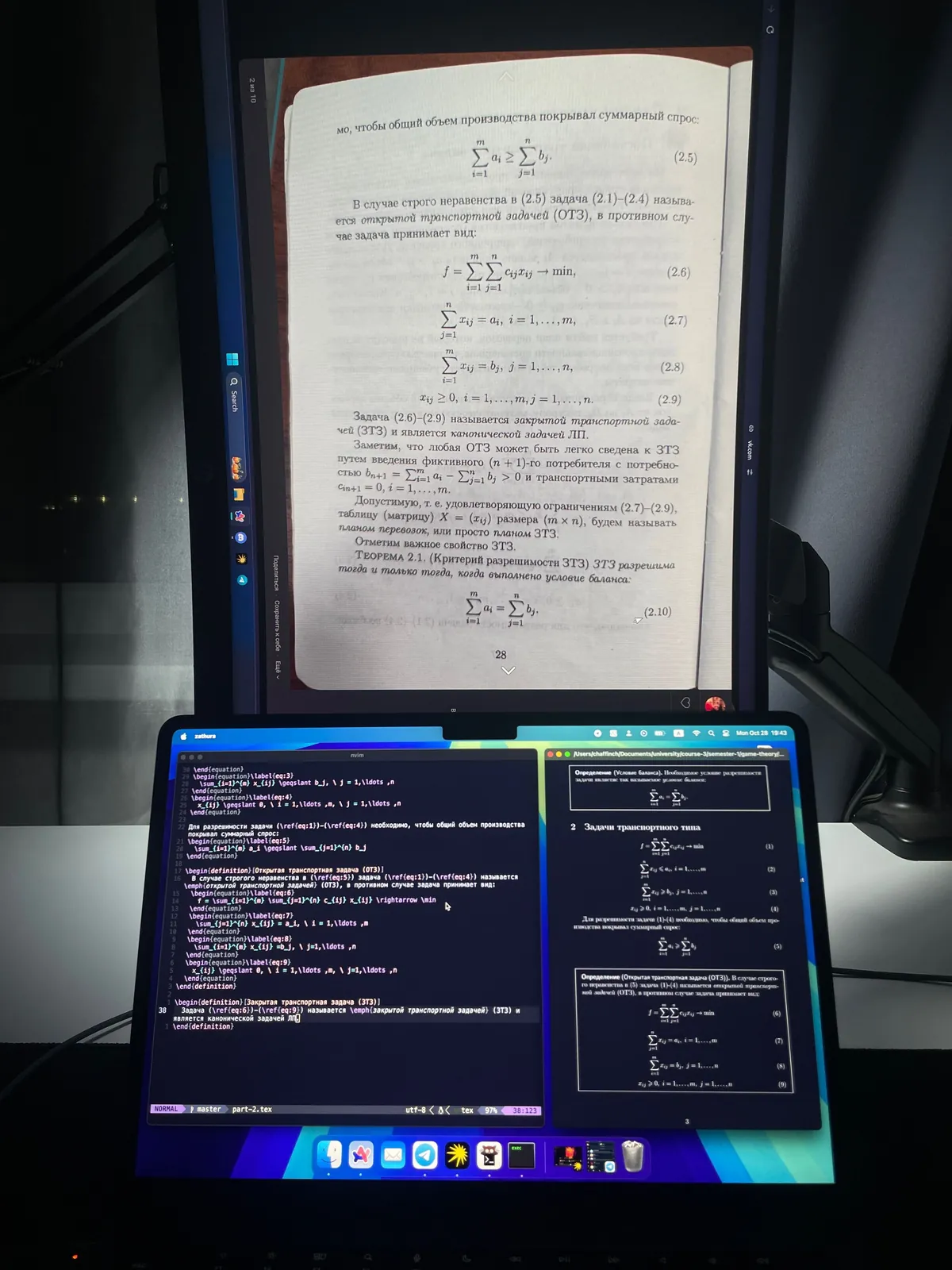
Lecture notes in LaTeX, autumn 2024 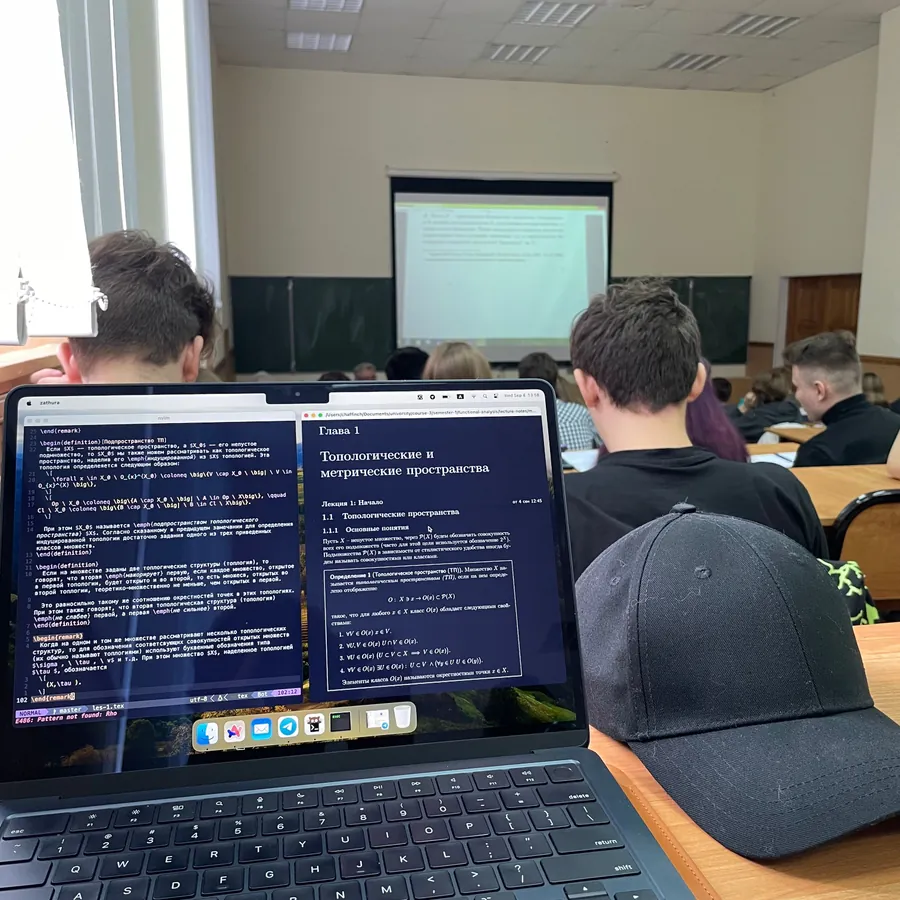
It's a pain to check my own class schedule.
Some universities had apps for that. From 2023 Maxim, a classmate of mine, and I kept talking about building one for ours, and kept putting it off: the idea felt too big.
September 2024
VCourse
In our third year we were given a semester to build a product of our own, and neural networks had just grown up enough. We went for it. I took product design and the front end, Maxim the back end and DevOps.
I had no experience in mobile development at all. The first semester went on Swift, SwiftUI, Xcode and Apple's guidelines.
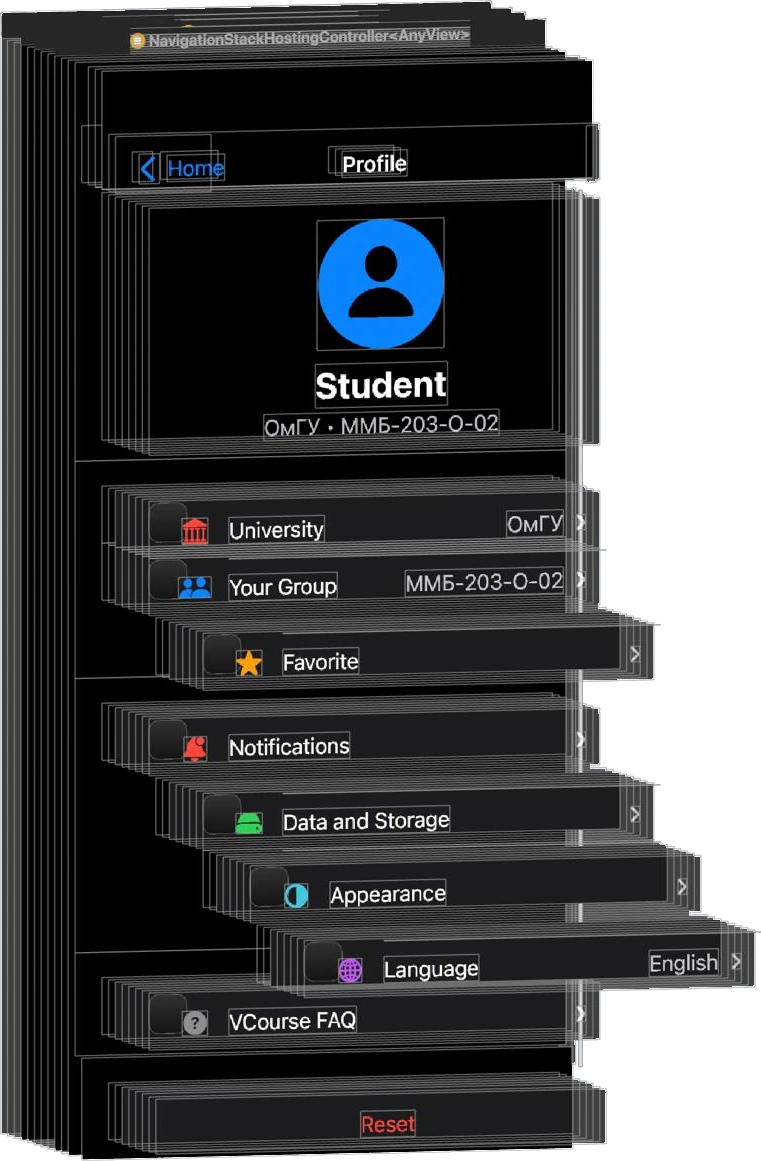
The profile screen in Xcode's view debugger 
By the end of the semester my own app was on my phone.
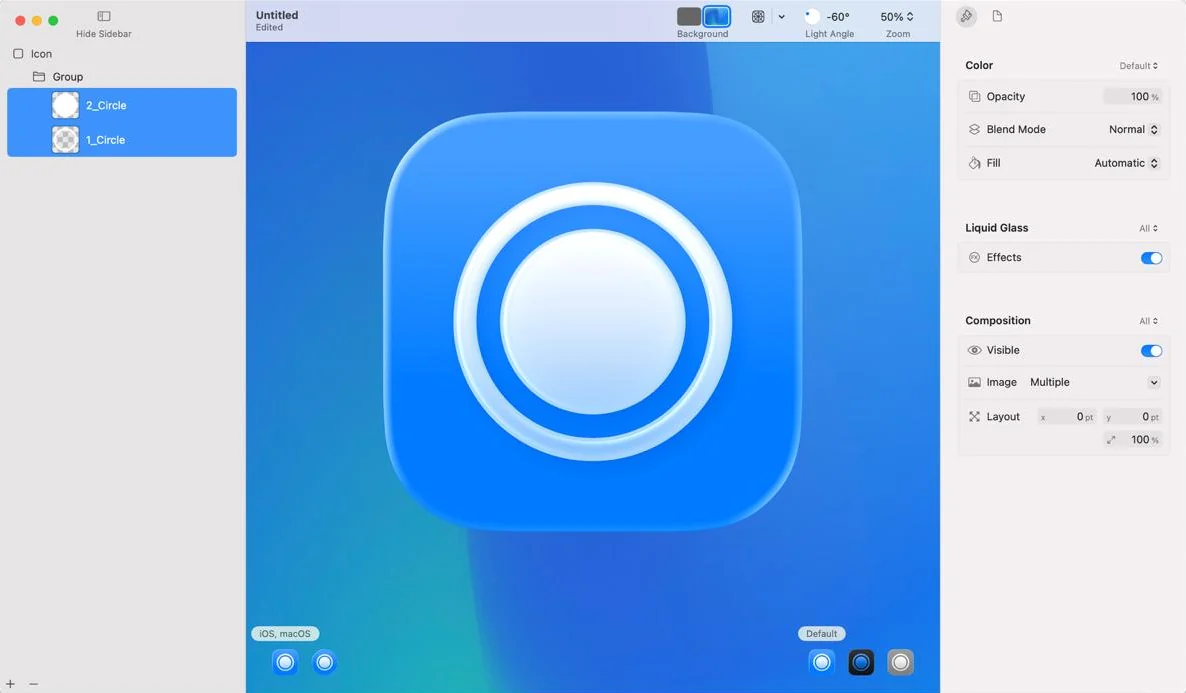
The icon in Icon Composer The next semester and the summer went on polish. The app was rewritten from scratch several times: I wanted it perfect.
1 September 2025
Launch
We agreed with the university on a post in its Telegram channel. The post went out, and we sat refreshing the pages, watching the numbers.
I had never felt anything that good.
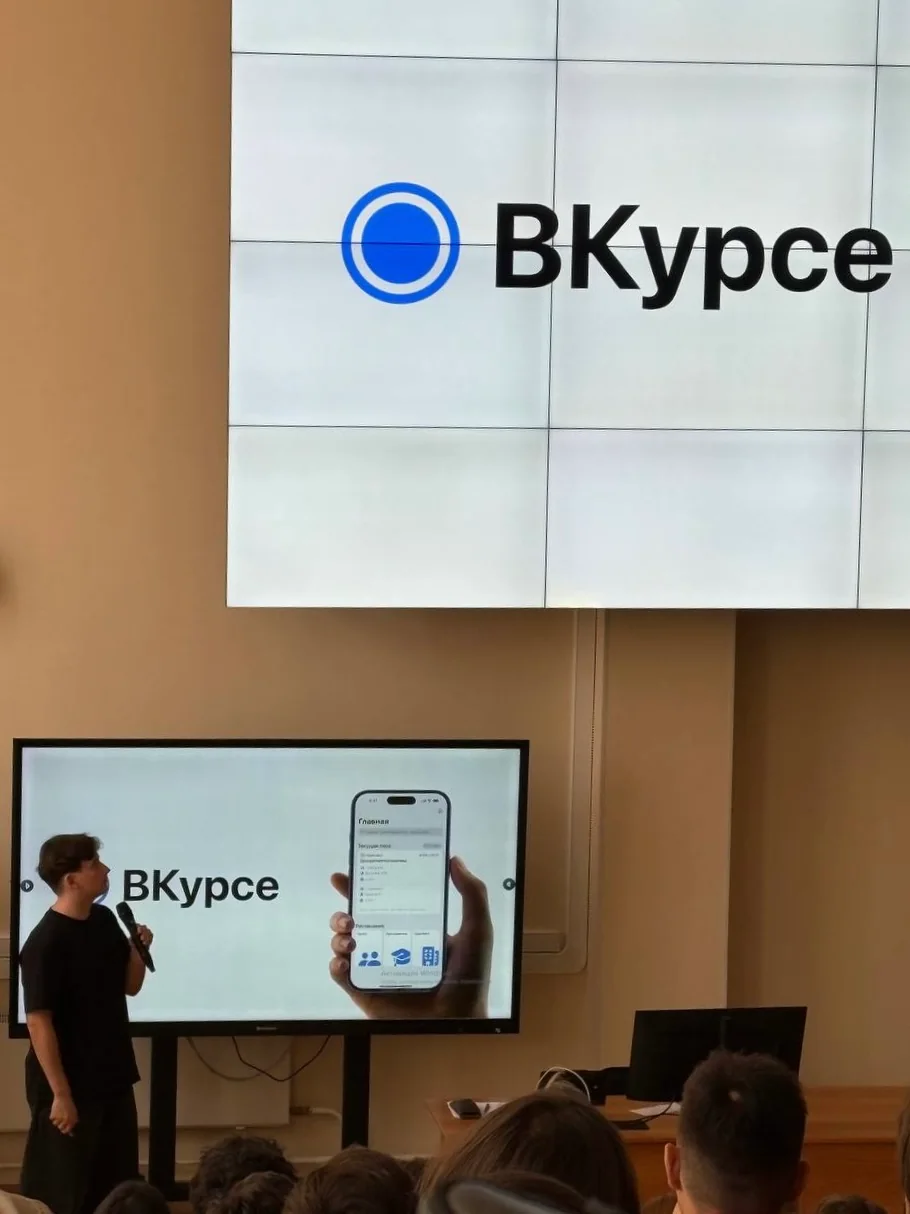
The launch in numbersSeptember 2025
57rank among education apps on the Russian App Store at launch
The first three days, 1–3 September
- App Store impressions
- 2,800
- page views
- 1,287
- downloads
- 632
Downloads per day, 1–14 September 2025 632 downloads in the first three days, 411 of them on 2 September. - downloads in two weeks
- 823
- downloads by 4 October 2026
- 3,428
Source: App Store Connect
2026
The fork
In the semester after the launch came Android and the website, and five more colleges and universities joined. It all worked, and the question came up: what next? We couldn't keep growing it seriously and earn nothing from it.
Ads in the app, or a service for universities.
We really didn't want ads. We took the second road: our own service for building timetables, with the apps as a pleasant extra for students and teachers. We started talking to the people who make the timetables and took apart how it's really done.
June 2026
One night
My bachelor's was ending and I was looking at master's programmes in Omsk. One night a newsletter from Central University arrived: a programme in Human Experience Design. Literally what I had wanted to study from the start.
They asked for a portfolio. I didn't have one.
I decided not to sleep until I had built something worth sending.
git log, 23 June 2026, Omsk time - 06:56 66f50fd Портфолио: первичная сборка на Next.js
- 09:34 3b88940 assets: add portrait and product screenshots
- 09:34 fb0936a feat: build out the portfolio
The site went up on Vercel and the application went out. Then a call, and several weeks of silence.
And then a letter: the largest grant they give.
One letter changed the plan: I was moving to Moscow.
…and now I had to pay for a flat somehow
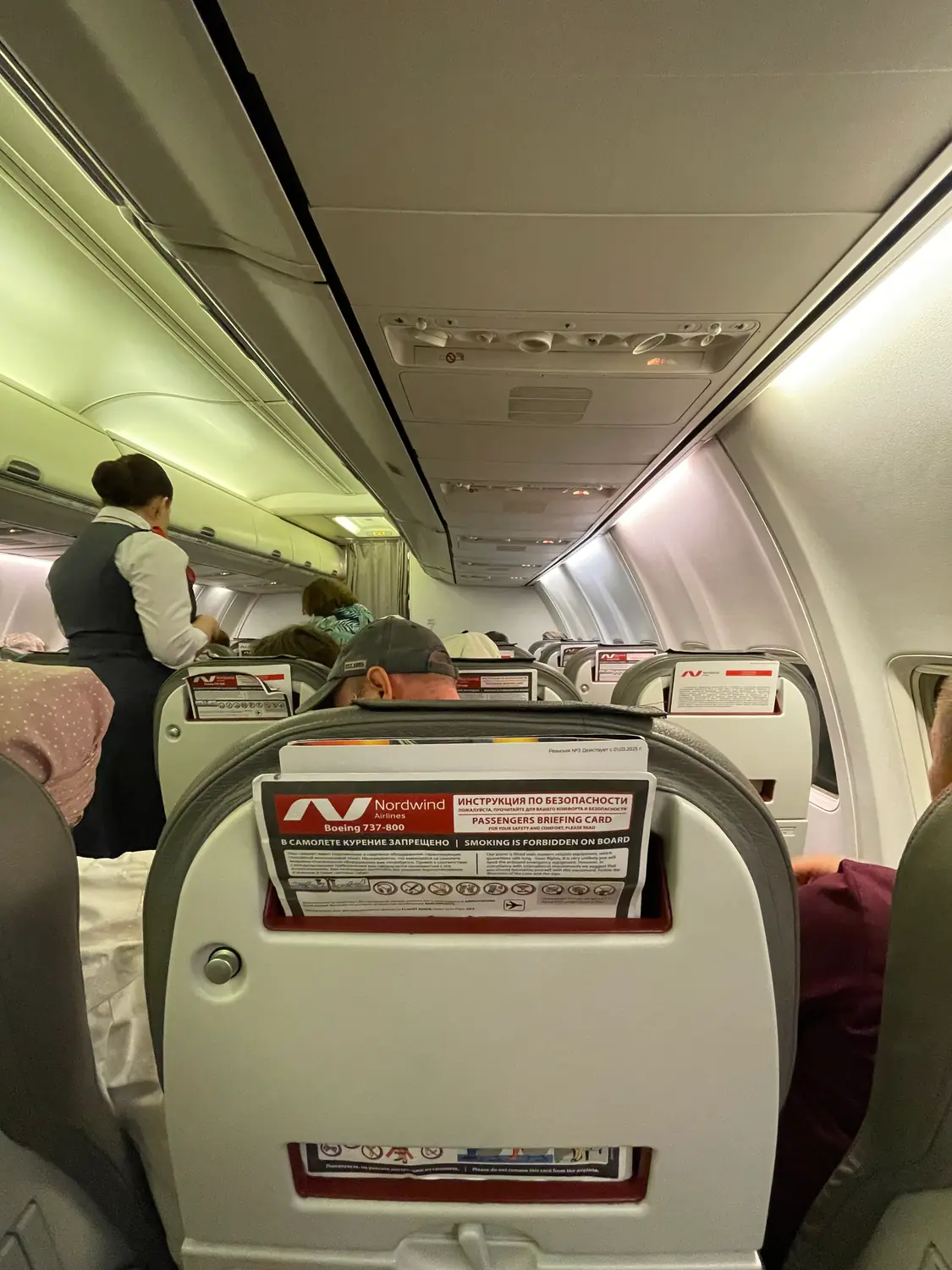
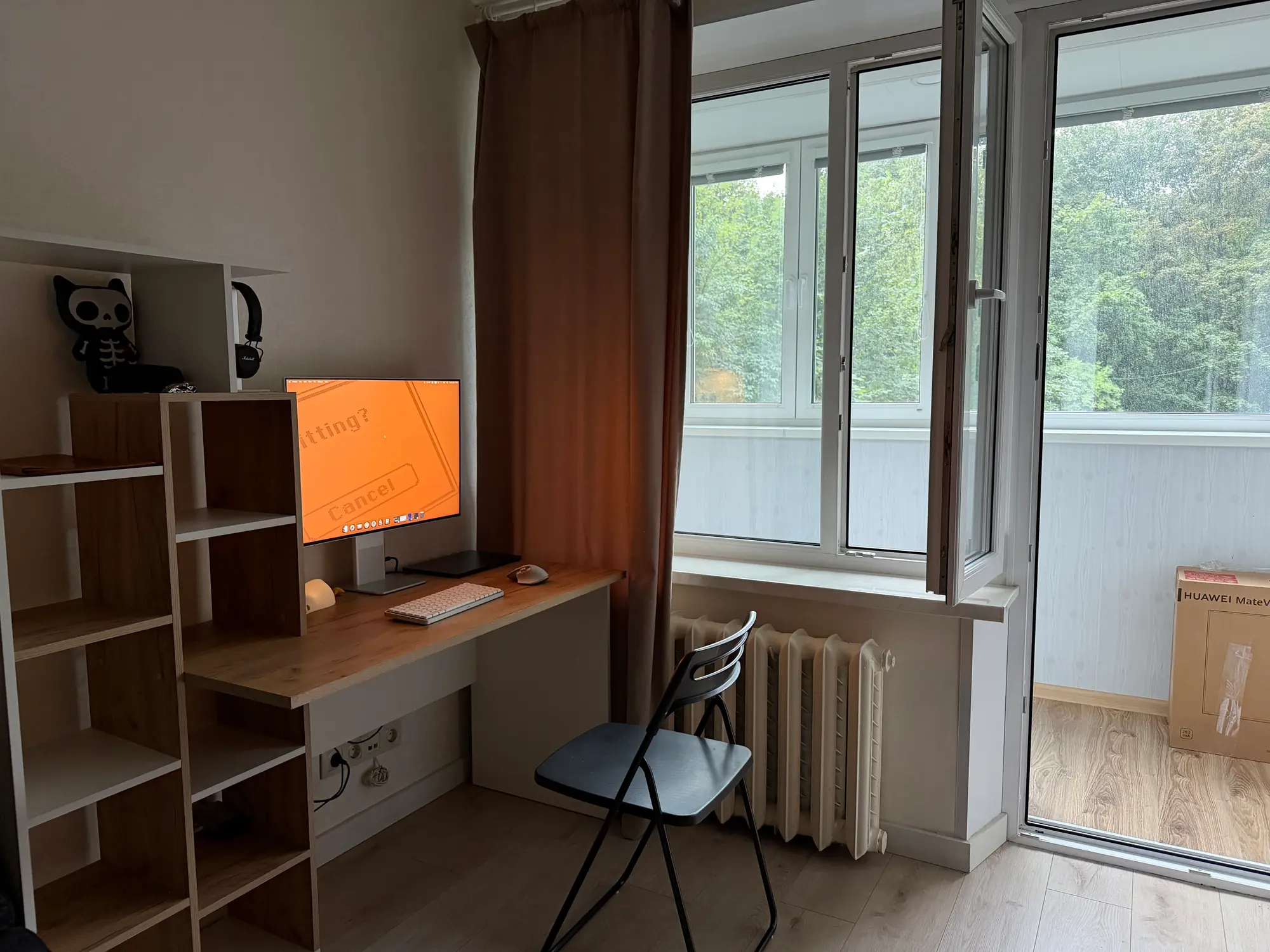

Moscow
Ten prompts
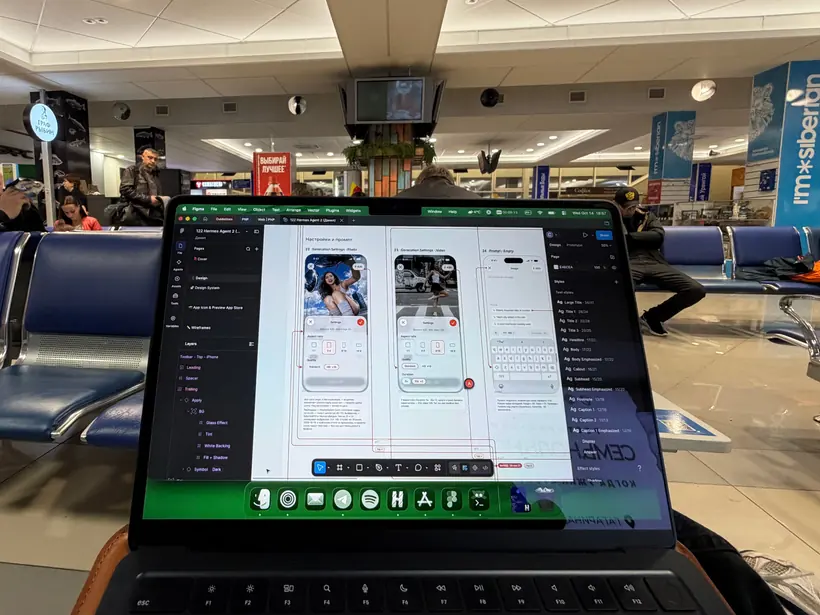
I moved at the end of the summer and started work: several iOS app designs a week, plus their ASO. Doing that by hand would have driven me mad.
I tried agents in Figma. That took a whole pipeline, and it worked.
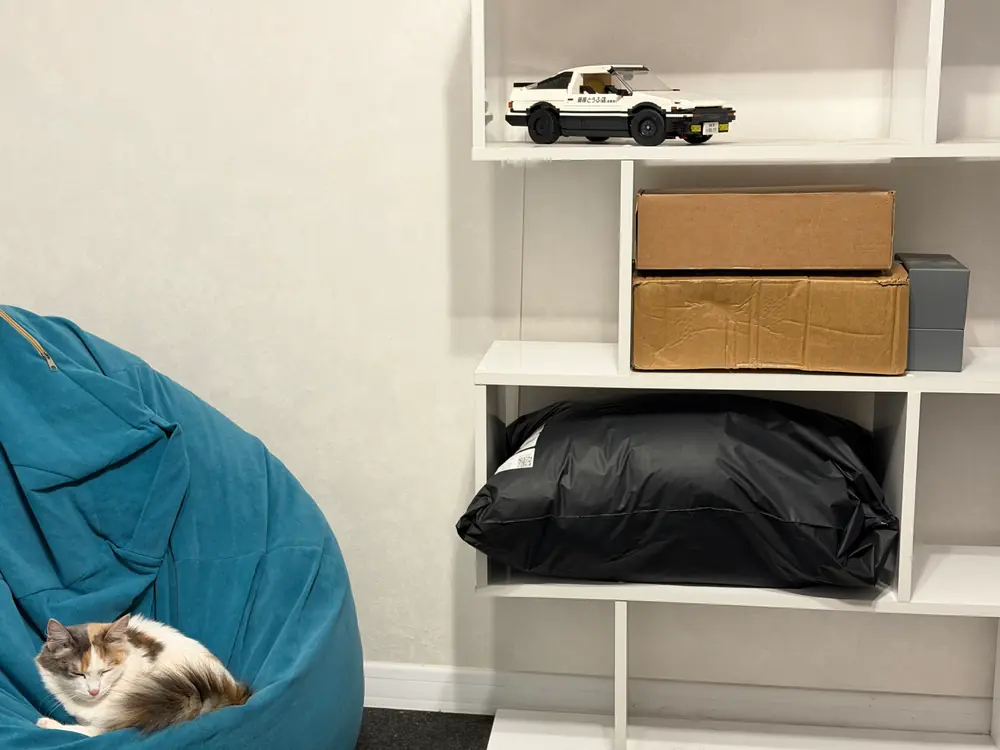
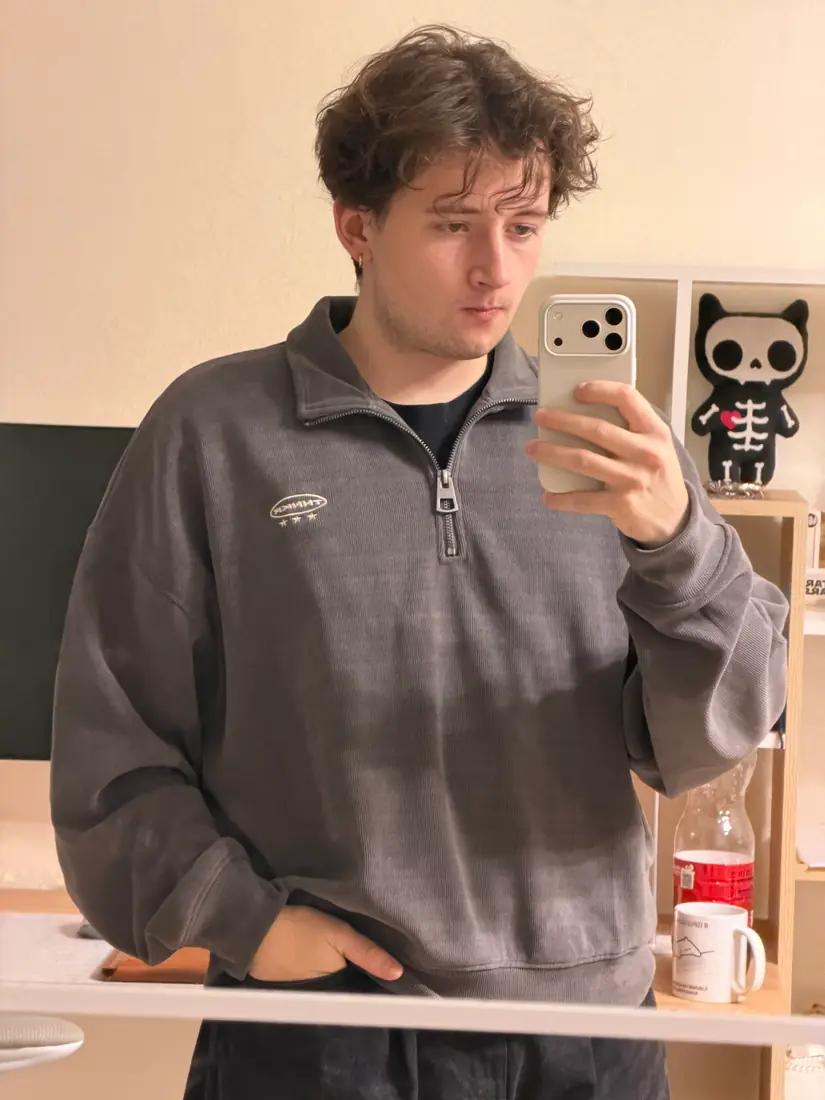
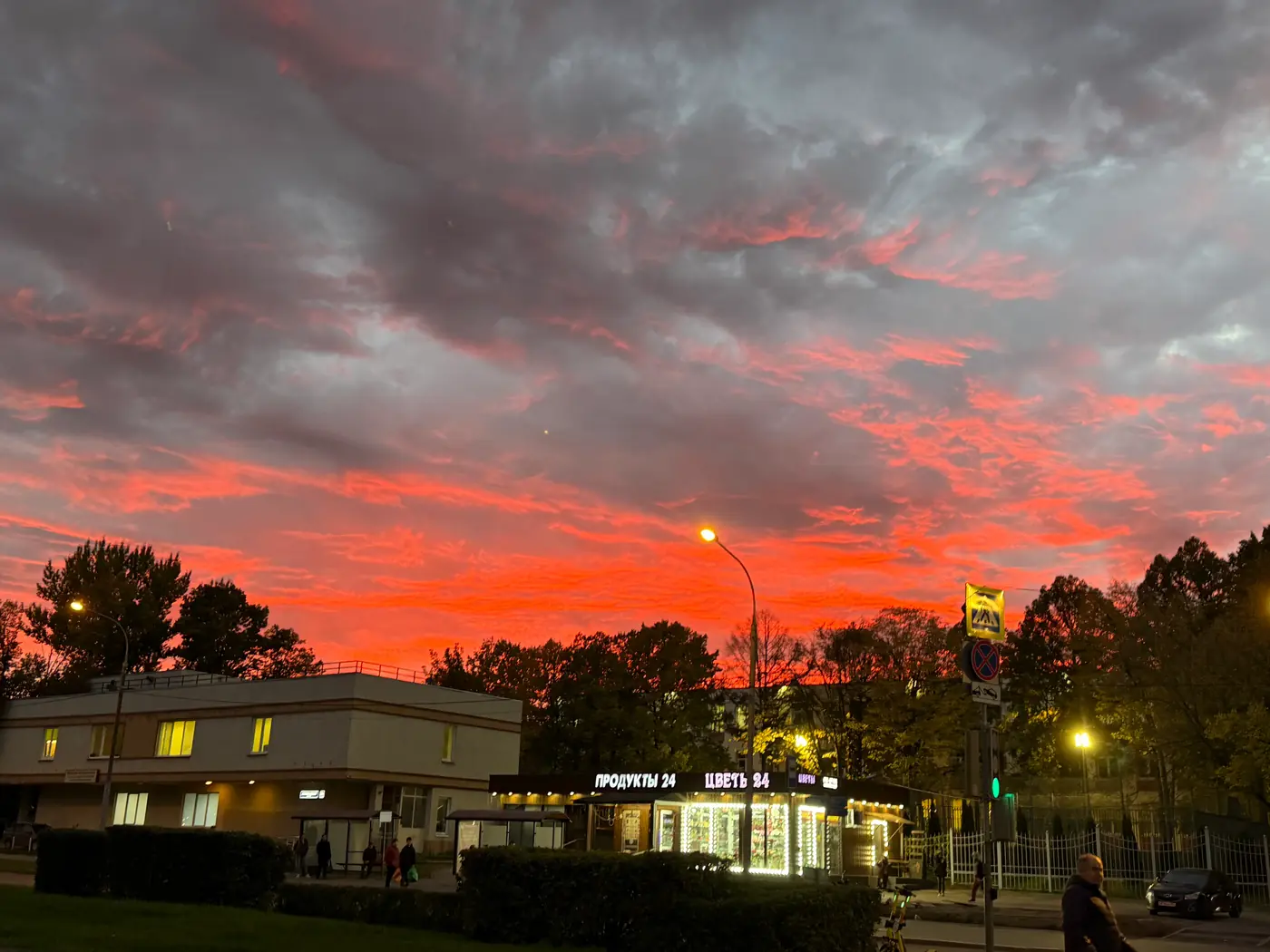
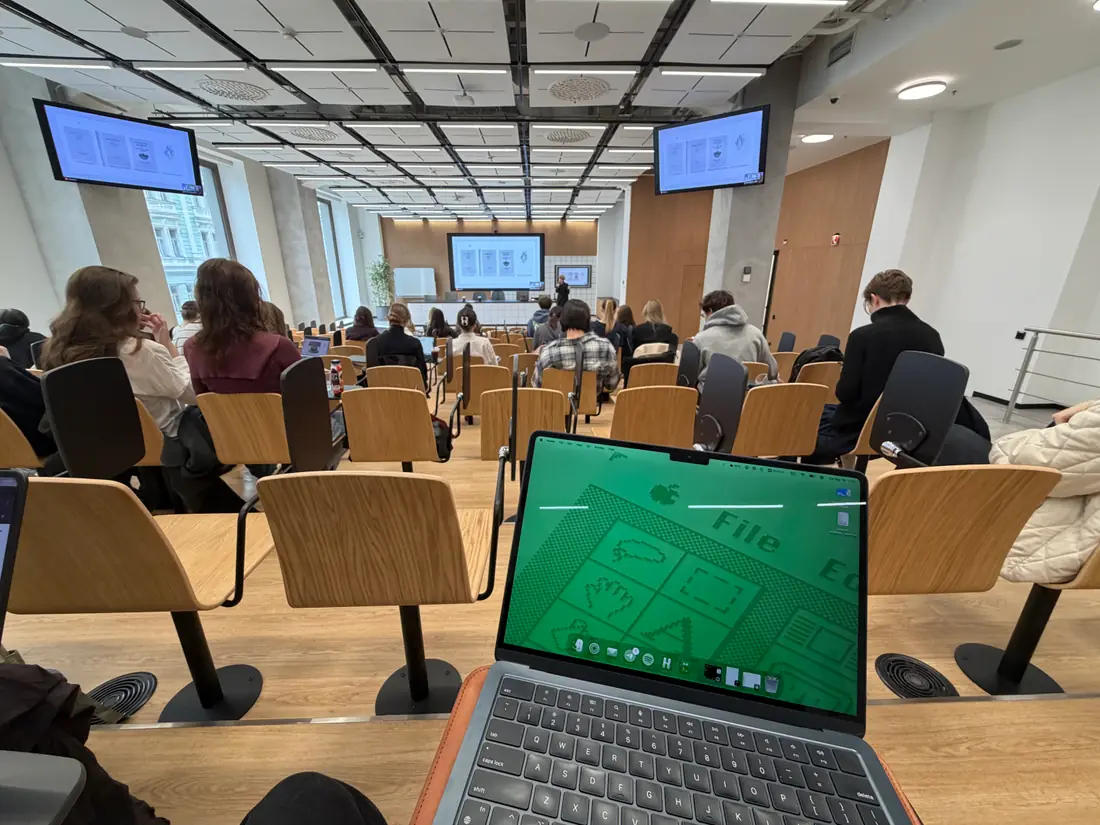
I got a personal designer, and I became the boss.
I won't claim a complete app, with icons and an App Store page, comes out of one prompt. I will claim it comes out of ten thoughtful, consecutive ones.
Now
Still going
I have plenty of components now.
vcourseVCourse
Running: 1,049 people a day on average, September 2026
mastersMaster's
Central University, since 2026
pora-na-paruPora na paru
The web client and the timetabling service. 2,642 commits across three clients, 2 June to 31 October 2026